Last updated: May 2026
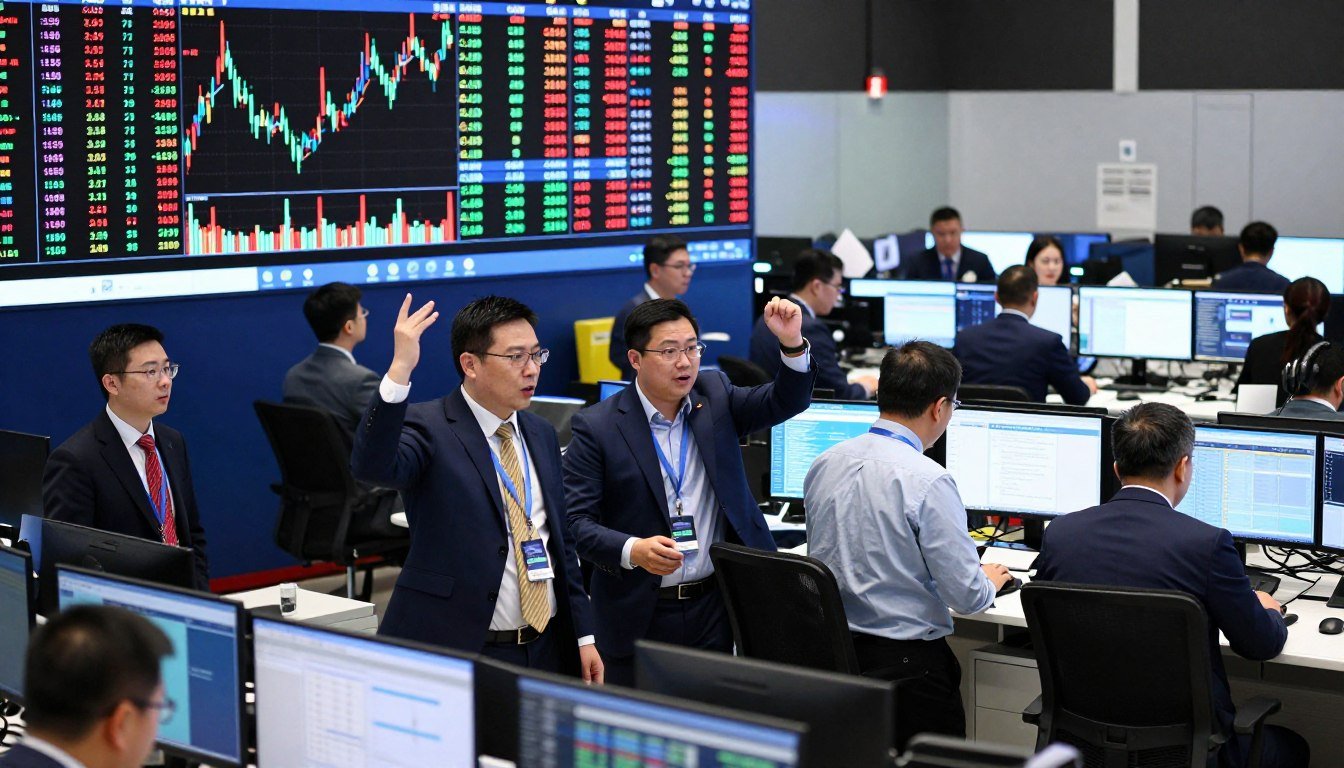
The first minutes of the trading day can look unusual. Prices may gap, volume may spike, spreads may widen, and a stock may move quickly before the market settles into a normal rhythm.
One reason is that many exchanges do not begin regular trading with normal trade-by-trade matching. They often start with an opening auction, which collects buy and sell interest and sets an official opening price. After that, the market moves into continuous trading, where orders can execute throughout the session as soon as they match.
Quick Answer: Opening Auction vs Continuous Trading
An opening auction is a batch process used to set the first official price of the regular trading session. Continuous trading is the normal intraday market phase where orders match in real time throughout the trading day.
| Feature | Opening Auction | Continuous Trading |
|---|---|---|
| How orders match | Orders are collected and matched at one opening price | Orders match continuously when prices cross |
| Main purpose | Set an orderly opening price | Allow real-time trading throughout the session |
| Price formation | Single clearing price | Many prices throughout the day |
| Liquidity | Concentrated at the open | Changes continuously through the order book |
| Common investor issue | Opening gaps and unusual first prints | Changing spreads, depth, and execution prices |
Why the Market Open Can Look Strange
The market open looks different because a lot can happen while regular trading is closed. Earnings reports, economic data, analyst updates, global market moves, merger news, and overnight orders can all build up before the opening bell.
The opening auction is the process that helps absorb that accumulated information and order interest. Instead of immediately matching every order one by one, the auction seeks a single opening price based on eligible buy and sell interest.
After that opening price is set, the market transitions into continuous trading. During that transition, price movement can be fast because traders, market makers, institutions, and retail investors are all reacting at the same time.
If the unusual movement happens because a stock was halted or paused, see Trading Halt Meaning: Volatility Pauses, News Pending, and LULD.
What Is an Opening Auction?
An opening auction is a structured process that sets the first official price of the regular trading session. Orders entered before the open may be eligible to participate, depending on the exchange rules, order type, and broker settings.
The auction is designed to concentrate liquidity and create a fair opening price by matching as much eligible buy and sell interest as possible.
How orders build before the open
Before the market opens, investors and institutions may enter orders based on overnight information. These orders do not all trade immediately in normal continuous fashion. Instead, eligible opening orders are collected for the auction process.
How the opening price is formed
The exchange uses its auction rules to determine the price where eligible buy and sell interest can be matched. In simple terms, the auction looks for a price that clears a meaningful amount of order interest while following the venue’s official rules.
Why one opening price matters
The single opening price helps create an official starting point for the day. That opening print can be very different from the prior close if important information arrived overnight.
What Is Continuous Trading?
Continuous trading is the normal intraday phase of the market. During continuous trading, buy and sell orders interact through a live order book. If an order can trade against available liquidity, it may execute immediately. If not, it may rest in the order book depending on the order type.
This is the phase most investors think of when they imagine normal stock trading: prices update throughout the day, bids and asks change, and trades occur whenever buyers and sellers meet at compatible prices.
Real-time order matching
In continuous trading, orders can match throughout the session. A marketable buy order may execute against the best available sell orders, while a marketable sell order may execute against the best available buy orders.
Bid-ask spread changes
The bid-ask spread can change throughout the day. Around the open, spreads may be wider because uncertainty is higher and liquidity is still forming. As the session matures, spreads may narrow for liquid securities.
Order book depth
Order book depth refers to how much buy and sell interest exists at different prices. Thin depth can make prices move faster, especially in smaller stocks or during news-driven periods.
Opening Auction vs Continuous Trading: Main Differences
The opening auction and continuous trading use different mechanics because they solve different market problems. The opening auction handles accumulated pre-open interest. Continuous trading handles live intraday order flow.
| Question | Opening Auction | Continuous Trading |
|---|---|---|
| When does it happen? | At the start of regular trading | After the open and throughout the session |
| How many prices are created? | One official opening price | Many prices as trades occur |
| What drives price movement? | Pre-open orders and overnight information | Live order flow, liquidity, and news |
| What can look unusual? | Opening gaps, large first print, volume spike | Fast movement, changing spreads, price swings |
| What should you check? | Opening price, auction imbalance data if available | Bid, ask, depth, spread, order type, liquidity |
Why Volume Often Spikes at the Open
Volume often spikes at the open because many decisions are waiting to be processed. Investors may react to overnight news, institutions may have scheduled orders, and market makers may be adjusting quotes after the opening price is set.
Common reasons for high opening volume include:
- Overnight earnings or company news
- Economic reports released before the open
- Global market movement
- Orders queued for the opening auction
- Institutional execution around benchmark times
- Rebalancing or corporate action adjustments
If the early movement occurs before or after normal regular hours, the rules and liquidity can be different. For more context, see Premarket vs After-Hours Trading.
Why Opening Gaps Happen
An opening gap happens when the opening price is meaningfully different from the previous closing price. This often occurs because new information arrived while regular trading was closed.
| Gap Type | Meaning | Simple Example |
|---|---|---|
| Gap up | The stock opens above the previous close | Previous close: $50, opening price: $52 |
| Gap down | The stock opens below the previous close | Previous close: $50, opening price: $48 |
A gap does not automatically mean the move is permanent. It only means the first official price of the session reflected a new balance of buy and sell interest compared with the prior close.
Opening Orders: MOO, LOO, and Standard Orders
Some exchanges and brokers support order types specifically designed for the open. The exact names, rules, and availability vary by venue and broker.
Market-on-open orders
A market-on-open order is designed to participate in the opening auction and prioritize execution at the opening price. It offers less price control because the final opening price is not known in advance.
Limit-on-open orders
A limit-on-open order is also designed for the opening auction, but it includes a price limit. This gives more price control, but the order may not execute if the opening price is outside the limit.
Regular market and limit orders
Standard orders may behave differently depending on whether they are entered for the auction, regular continuous trading, or extended-hours trading. Always check your broker’s order guide before assuming how an order will be handled.
Why Spreads Can Be Wider Near the Open
Spreads can be wider near the open because the market is still processing overnight information. Liquidity providers may quote more cautiously until they understand the opening price, order flow, and news impact.
Wider spreads can make executions more expensive or less predictable, especially for market orders, small-cap stocks, thinly traded securities, or stocks with fresh news.
If a stock recently experienced a corporate action, ticker change, or new listing event, early spreads and volume may be even more unusual. For tracking symbol changes, see How to Track a Stock After a Ticker Change.
How Different Exchanges Handle the Open
Most major exchanges use some form of opening process, but the details differ. NYSE and Nasdaq both publish official materials describing their opening mechanisms, auction order types, and opening-price procedures.
NYSE opening auction
NYSE’s opening auction process is designed to open listed securities in an orderly way by matching eligible interest and setting an opening price. NYSE materials describe opening auction order types and the auction process used around the start of trading.
Nasdaq Opening Cross
Nasdaq’s Opening Cross is a price discovery process that helps set the Nasdaq Official Opening Price. Nasdaq materials describe how eligible orders are crossed at a single price and how transparency information is provided around the open.
Opening Auction, Trading Halts, and Reopenings
The auction concept is not only relevant at the start of the day. Similar auction or reopening mechanics may also matter after a trading halt. When a stock resumes trading after a halt, the exchange may need to organize order flow before normal continuous trading resumes.
This is why a stock can reopen sharply higher or lower after a halt. The market is processing information that accumulated while trading was paused.
For a related explanation, see Trading Halt Meaning.
What to Check Before Trading Near the Open
This checklist is not a recommendation to buy, sell, or hold. It is a practical way to understand market conditions before placing or reviewing an order near the open.
- Check whether major news was released — Earnings, guidance, macro data, or corporate actions can affect the open.
- Review bid and ask prices — Spreads may be wider than usual.
- Understand your order type — Market, limit, market-on-open, and limit-on-open orders can behave differently.
- Check volume and depth — Thin liquidity can increase price movement.
- Confirm trading session — Premarket, regular hours, and after-hours sessions have different liquidity conditions.
- Use official exchange and broker resources — Rules can vary by venue and order type.
Common Misunderstandings
“The first price is always the best price.”
The opening price is the official first price of the session, but it is not automatically better or worse than later prices. It reflects auction conditions at that moment.
“A big opening gap means something is wrong.”
A gap often means new information was priced in before the open. It can also reflect order imbalance, lower liquidity, or strong demand/supply pressure.
“Premarket trading and the opening auction are the same thing.”
They are different. Premarket trading is an extended-hours session. The opening auction is the process used to establish the official opening price for regular trading.
“Market orders always behave the same way.”
Market order outcomes depend on liquidity, spread, timing, and session rules. The open can be more volatile than calmer parts of the day.
Conclusion
The first minutes of trading look unusual because the market is moving from one process to another. The opening auction sets a single official opening price after overnight order interest accumulates. Continuous trading then begins, and prices update trade by trade.
Understanding the difference between opening auction and continuous trading helps explain opening gaps, volume spikes, wider spreads, and fast early movement. The key is to know which market phase you are seeing and to verify order rules through your broker and the exchange.
For the most accurate details about a specific order or opening process, use your broker’s order guide, official exchange resources, and trade confirmations as primary sources.
Sources and Further Reading
- NYSE: Opening and Closing Auctions Fact Sheet — Official NYSE document explaining auction mechanics and related order types.
- Nasdaq Trader: Opening and Closing Crosses FAQ — Official Nasdaq document explaining the Opening Cross and closing cross.
- Nasdaq Trader: Current Trade Halts — Official page for checking current and recent trading halts.
- Nasdaq Trader: Trading Halt Codes — Official halt reason code definitions.
- SEC Investor Education / Investor.gov — Beginner-friendly investor education resources from the U.S. Securities and Exchange Commission.
FAQ
Is the opening auction the same as premarket trading?
No. Premarket trading is an extended-hours session before regular trading. The opening auction is the exchange process used to set the official opening price for the regular session.
What is continuous trading?
Continuous trading is the normal intraday phase where orders can match in real time throughout the session whenever buy and sell prices are compatible.
Why does the opening price gap from the previous close?
A gap can happen because overnight news, pre-open orders, global market movement, or order imbalance changed the balance of supply and demand before the official open.
Why is volume often high at the market open?
Volume is often high because overnight decisions, institutional orders, queued retail orders, and news reactions are processed around the opening auction and early continuous trading.
Are market orders risky at the open?
Market orders can produce less predictable execution near the open because spreads may be wider and prices can move quickly. Check your broker’s order guide and understand the tradeoff between execution certainty and price control.
What is a market-on-open order?
A market-on-open order is designed to participate in the opening auction and execute at the opening price if eligible under the exchange and broker rules.
What is a limit-on-open order?
A limit-on-open order is designed for the opening auction but includes a price limit. It may not execute if the opening price is outside that limit.