Delisting Risk Checklist: Early Warning Signs to Watch

Use this delisting risk checklist to spot warning signs like low share price, late filings, weak liquidity, governance issues, and exchange notices.
TradeTicker helps beginners learn about ticker changes, brokerage statements, broker fees, trading halts, market hours, and corporate actions — with clear educational guides and official sources.
Start with our beginner-friendly explanations of ticker changes, broker records, market hours, and corporate actions.
Use this delisting risk checklist to spot warning signs like low share price, late filings, weak liquidity, governance issues, and exchange notices.

Learn how to read a monthly brokerage statement, including account details, holdings, cash, trades, fees, tax items, and corporate actions.

Learn the difference between a ticker change and a stock split, including share count, price adjustment, cost basis, account updates, and what to check.

Learn how to track a stock after a ticker change using official filings, CUSIP, ISIN, CIK, broker records, and corporate action notices.

Learn what a trading halt means, why stocks pause for news, volatility, LULD, or circuit breakers, and what investors should check before trading resumes.

Learn what happens to fractional shares during stock splits, reverse splits, mergers, and spin-offs, including cash in lieu, taxes, and account checks.
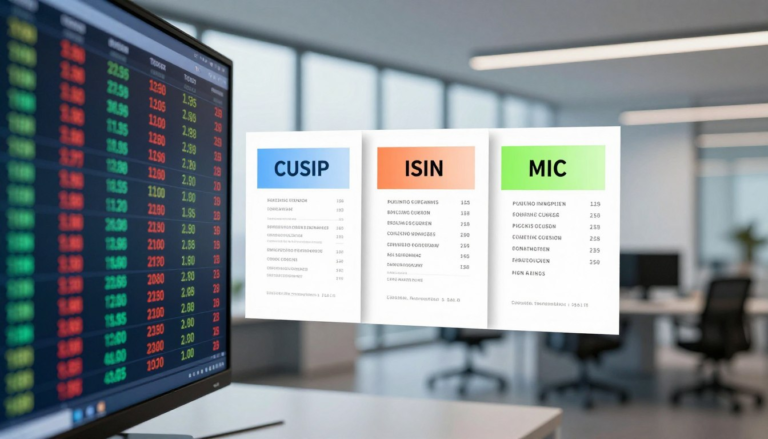
Learn the difference between ticker, CUSIP, ISIN, and MIC codes, including what each identifies, when to use them, and how to verify them.
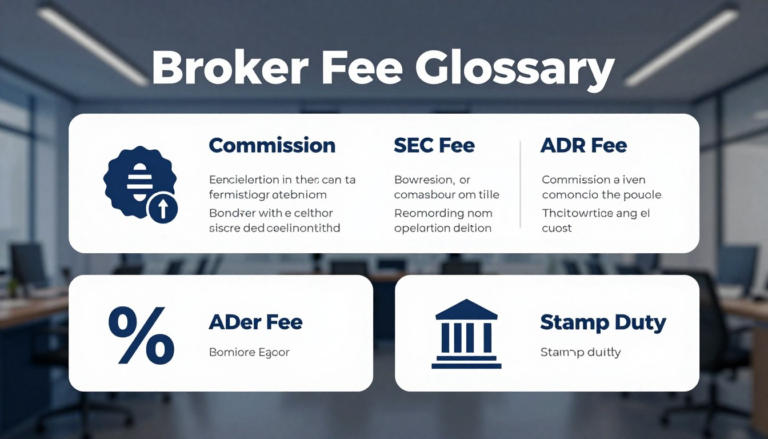
Understand common broker fees like commission, SEC fee, ADR fee, stamp duty, margin interest, account charges, and where they appear.

Learn the difference between opening auction and continuous trading, including opening price, gaps, volume spikes, spreads, and order types.

Learn the difference between premarket and after-hours trading, including liquidity, spreads, volatility, gap risk, order types, and key risks.